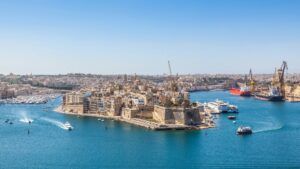
In the picturesque archipelago of Malta, where history meets modernity, the digital landscape is thriving more than ever. The importance of web design in Malta cannot be overstated, as businesses and creatives alike seek to carve out their digital identity in this Mediterranean gem. This comprehensive guide delves into the essentials of web design in Malta, exploring trends, best practices, and expert tips for crafting websites that captivate and convert.
Understanding the Maltese Digital Landscape
Before we dive into the nuances of web design, it’s crucial to understand the digital landscape of Malta. With a highly internet-savvy population and a booming economy, Malta presents a fertile ground for digital initiatives. Businesses, both local and international, vie for attention in this compact yet dynamic market.
Web Design Trends in Malta
Responsive Design: With a significant portion of internet traffic coming from mobile devices, responsive design is non-negotiable. A website must look and function flawlessly across all devices, ensuring a seamless user experience.
Minimalism: The trend towards minimalist design continues to dominate in Malta. Clean, uncluttered layouts with ample white space not only make websites aesthetically pleasing but also enhance usability.
Bold and Creative Typography: Typography is a powerful tool for branding and engagement. More Maltese websites are embracing bold and creative fonts to stand out and convey their brand’s personality.
Immersive Visuals: High-quality images, videos, and animations are pivotal in creating an immersive user experience. They tell a story and evoke emotions, compelling users to engage with the content.
Best Practices for Maltese Web Design
User-Centric Design: At the heart of successful web design is a deep understanding of the target audience. Design with the user’s needs and preferences in mind to create a positive and memorable experience.
Speed and Performance: Website speed is a critical factor in user satisfaction and SEO rankings. Optimize images, leverage caching, and minimize code to ensure your website loads quickly.
SEO Optimization: To stand out in Malta’s competitive digital landscape, SEO is key. Use relevant keywords, optimize meta tags, and ensure your website’s structure is search engine friendly.
Accessibility: Making your website accessible to all users, including those with disabilities, is not only a best practice but also a legal requirement in many jurisdictions. Use alt text for images, ensure navigability with a keyboard, and follow WCAG guidelines.
Creating Impactful Websites in Malta
Embrace Local Culture: Incorporate elements of Maltese culture and aesthetics into your design to resonate with local audiences. This could be through color schemes, imagery, or local languages.
Leverage Local SEO: For businesses targeting the Maltese market, local SEO is crucial. Include location-based keywords and register your business on local directories and Google My Business.
Focus on Content: Engaging, relevant content is the backbone of any successful website. Invest in quality copywriting and content creation to inform, entertain, and persuade your audience.
Test and Iterate: Design is an iterative process. Gather feedback, analyze user behavior, and make continuous improvements to your website to better meet your audience’s needs.
Conclusion
Web design in Malta is an evolving art, blending aesthetics, functionality, and strategy to create digital experiences that connect and convert. By following the trends, best practices, and tips outlined in this guide, you can create a website that not only stands out in Malta’s digital landscape but also achieves your business objectives.
Whether you’re a local business, an international company looking to enter the Maltese market, or a creative individual, the principles of effective web design remain the same. Embrace innovation, prioritize your users, and never underestimate the power of a well-designed website to transform your digital presence in Malta.